Magnesium is essential for the functioning of the muscles, blood, bones, cells, immune system, metabolism and digestion. The human body contains 25 grams of magnesium, it is vital for every major activity in the body. Magnesium is involved in over 300 different enzyme functions in the human body. It is also needed to metabolise many nutrients including, calcium, zinc, iron, copper, potassium, cadmium, phosphorous and lead.
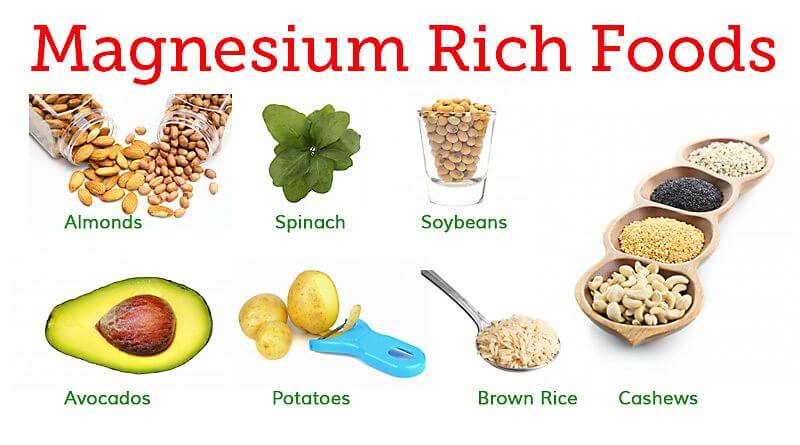
Calcium is involved in muscle contractions while magnesium helps with muscle relaxation, so a balance between these two minerals is necessary. The ideal ratio between calcium and magnesium is 2:1 (twice as much calcium to magnesium). To ensure you are getting enough magnesium include a variety of the following foods:
• Legumes
• Nuts
• Dark green leafy vegetables
• Wholegrain cereals
• Cocoa
• Seeds
• Soy flour
 Magnesium needs other nutrients to work effectively. Without adequate amounts of vitamins A, B6, C, D, phosphorous and protein magnesium will not be able to do it's job no matter how much you consume from food. Also most of the B vitamins need adequate amounts of magnesium to perform their functions in the body.
Magnesium has many antagonists which decrease or prevent absorption. Many of these come from foods which are high in magnesium such as chocolate, spinach, soy, cereals and peanuts. This is due to the phytic acid and oxalic acid in these foods which binds to some of the magnesium and makes it unavailable for absorption. This isn't a problem in healthy individuals with adequate magnesium levels, as you will still get some magnesium. However it may be an issue if you rely on food sources to correct a deficiency. Other magnesium antagonists include tea, coffee and excess milk. So if you take supplements do not take them with tea or coffee.
Magnesium is a mineral which performs many functions in the body. However it doesn't work alone and needs other vitamins and minerals to function effectively; while also helping other nutrients with their functions. Overall a well balanced healthy diet should provide enough magnesium. Supplementing may be necessary in deficiencies, however always remember how nutrients work together and changing one will affect many others.
Magnesium needs other nutrients to work effectively. Without adequate amounts of vitamins A, B6, C, D, phosphorous and protein magnesium will not be able to do it's job no matter how much you consume from food. Also most of the B vitamins need adequate amounts of magnesium to perform their functions in the body.
Magnesium has many antagonists which decrease or prevent absorption. Many of these come from foods which are high in magnesium such as chocolate, spinach, soy, cereals and peanuts. This is due to the phytic acid and oxalic acid in these foods which binds to some of the magnesium and makes it unavailable for absorption. This isn't a problem in healthy individuals with adequate magnesium levels, as you will still get some magnesium. However it may be an issue if you rely on food sources to correct a deficiency. Other magnesium antagonists include tea, coffee and excess milk. So if you take supplements do not take them with tea or coffee.
Magnesium is a mineral which performs many functions in the body. However it doesn't work alone and needs other vitamins and minerals to function effectively; while also helping other nutrients with their functions. Overall a well balanced healthy diet should provide enough magnesium. Supplementing may be necessary in deficiencies, however always remember how nutrients work together and changing one will affect many others.
Wellness
Magnesium
N
Written by
Nikky10
September 18, 2015· 2 min read
Magnesium is essential for the functioning of the muscles, blood, bones, cells, immune system, metabolism and digestion. The human body contains 25 grams of magnesium, it is vital for every major activity in the body. Magnesium is involved in over 300 different enzyme functions in the human body. It
Seek urgent care if:
- Severe symptoms should be assessed by a qualified clinician
- Breathing difficulty, chest pain, or neurological symptoms need urgent care
- Do not delay emergency treatment while reading educational content
Educational purpose only. This content does not replace medical advice, diagnosis, or treatment. Please consult a qualified practitioner before starting or stopping any treatment.