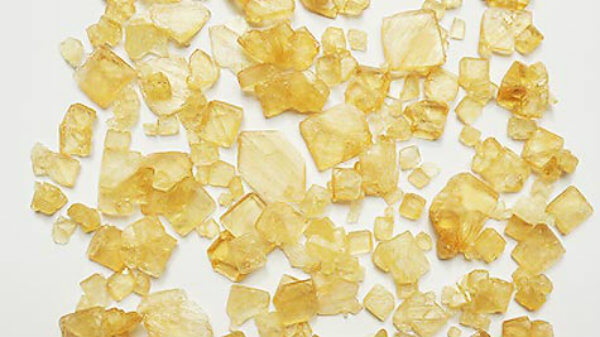
Antimonium tartaricum or Tartar emetic, as it is also called, is a compound salt of antimony and potash, both of which substances depress the circulation. Hence you will expect to see symptoms due to this cause intensified under Antimonium tartaricum. It causes more weakness of the heart and lungs than does antimony itself.
Under Antimonium tartaricum we find the head confused, with warmth of the forehead and confused feeling, as if the patient ought to sleep. This drowsiness is worse in the forenoon. Often there is a headache, with sensation as if a band were tied around the forehead.
This is a common symptom of headache due to passive congestion of the brain. Cool air and moving about seem to brighten the patient up. Bathing the head relieves. Still another form of headache is drawing in the right temple, extending down and into the jaw-bone. This is a sort of rheumatic tearing pain in the periosteum.
If the patient is a child we note an unwillingness to be looked at or touched. On awaking from sleep the child seems stupid, and is so excessively irritable that he howls if one simply looks at him.
Vertigo is often an accompaniment of the Antimonium tartaricum ailment; this vertigo seems to alternate with drowsiness.
We often find Antimonium tartaricum indicated in cases of suppressed eruptions when there result these symptoms of the head. Particularly is it called for when the eruption of scarlatina, measles or variola does not come out properly, or has been repelled; then we have great difficulty in breathing. The face is bluish or purple, the child becomes more and more drowsy and twitches. There is rattling breathing. All of these symptoms indicate a desperate case. Antimonium tartaricum will frequently restore the eruption and save the child.
For children it is an invaluable drug in disease of the chest. For instance you find itindicated in whooping-cough, and, in fact, in any cough, whether from dentition or other causes, when the cough is provoked every time the child gets angry, which is very often. Eating brings on the cough, which culminates in the vomiting of mucus and food.
Again, there is another form of chest trouble in which Antimonium tartaricum is indicated. A nursing infant suddenly lets go of the nipple, and cries as if out of breath, and seems to be better when held upright and carried about. Now, this may be the beginning of capillary bronchitis. On examination you will probably detect fine subcrepitant rales all through the chest.
Antimonium tartaricum here nips the whole disease in the bud and saves the child much suffering.
Again, there is another form of cough in which it may be used. There is marked wheezing when the child breathes. The cough sounds loose, and yet the child raises no phlegm. This symptom increases until the child grows drowsy. Its head is hot and bathed in sweat. The cough then grows less and less frequent, the pulse weak, and symptoms of cyanosis appear. In these cases, the quicker you give Antimonium tartaricum, the better for your patient.
Ther is nausea with great anxiety, eructations tasting like rotten eggs, yawning and drowsiness.
The terrible backache of small-pox is paralleled by the back-pains of Ant. t., which I have found to correspond to more cases of lumbago than any other remedy.