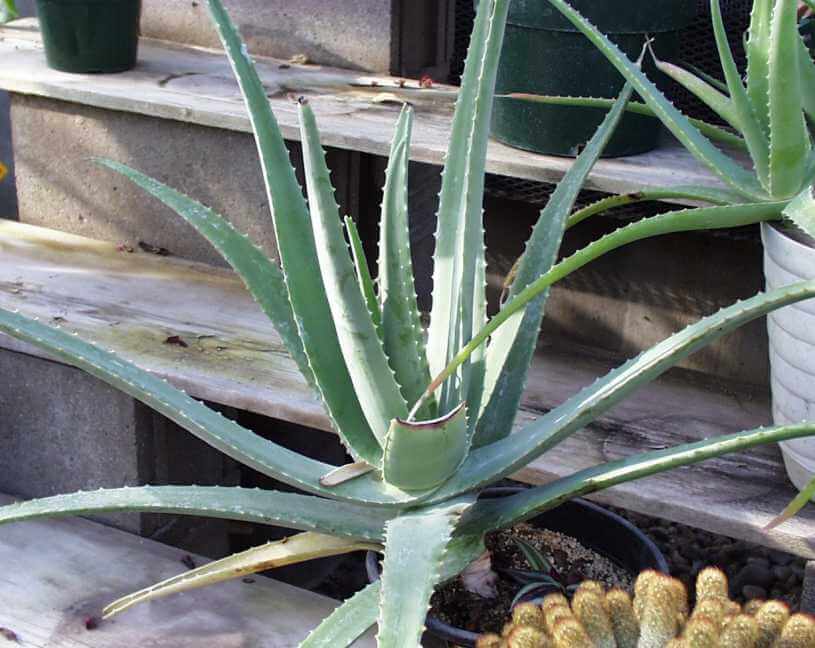
What Is Achyranthes Aspera?
Achyranthes Aspera is a homeopathic remedy prepared from the prickly chaff flower (Achyranthes aspera), a widely distributed weed found throughout tropical and subtropical regions of Asia, Africa, and the Americas. Known as apamarga in Ayurvedic medicine, it has a long history of traditional use for fever, urinary problems, skin conditions, and inflammatory complaints. Clarke includes it in the Dictionary of Practical Materia Medica, drawing on both proving data and traditional applications in tropical clinical practice.
Key Characteristics
- Intermittent fever with periodicity — symptoms returning at regular intervals
- Urinary complaints including burning micturition, increased frequency, and urinary inflammation
- Rheumatic pains in the joints and muscles, often associated with the febrile state
- Skin affections including itching and eruptions accompanying the systemic picture
- Dropsy or oedema in debilitated or chronic states
- General physical weakness and debility during and after febrile episodes
Mental Picture
The proving of Achyranthes Aspera does not yield a strongly individualised mental picture in the classical texts. Clarke documents the remedy primarily for its physical keynotes, and the mental state is not a primary differentiating feature. The general state during illness tends toward lassitude and a passive endurance of symptoms rather than agitation or pronounced emotional disturbance.
Physical Picture
The most documented physical indications centre on intermittent fever with a regular periodical return of symptoms. Urinary tract irritation — burning, frequency, and inflammatory discharge — accompanies or follows the febrile state. Rheumatic pains affecting the joints and muscles are noted, and skin conditions with itching may appear as the fever resolves. In more chronic states, oedema and general debility characterise the picture.
When Is It Considered?
Homeopaths may consider Achyranthes Aspera when:
- Intermittent fever recurs at regular intervals with clear periodicity
- Urinary burning, frequency, or inflammation accompanies febrile illness
- Rheumatic joint and muscle pains follow or accompany fever
- Skin itching or eruptions appear during or after febrile episodes
- General debility and oedema occur in the context of chronic or recurrent fever
Note: Always consult a qualified homeopath before using any remedy. This article is for educational purposes only.